
General Purpose Polystyrene (GPPS)
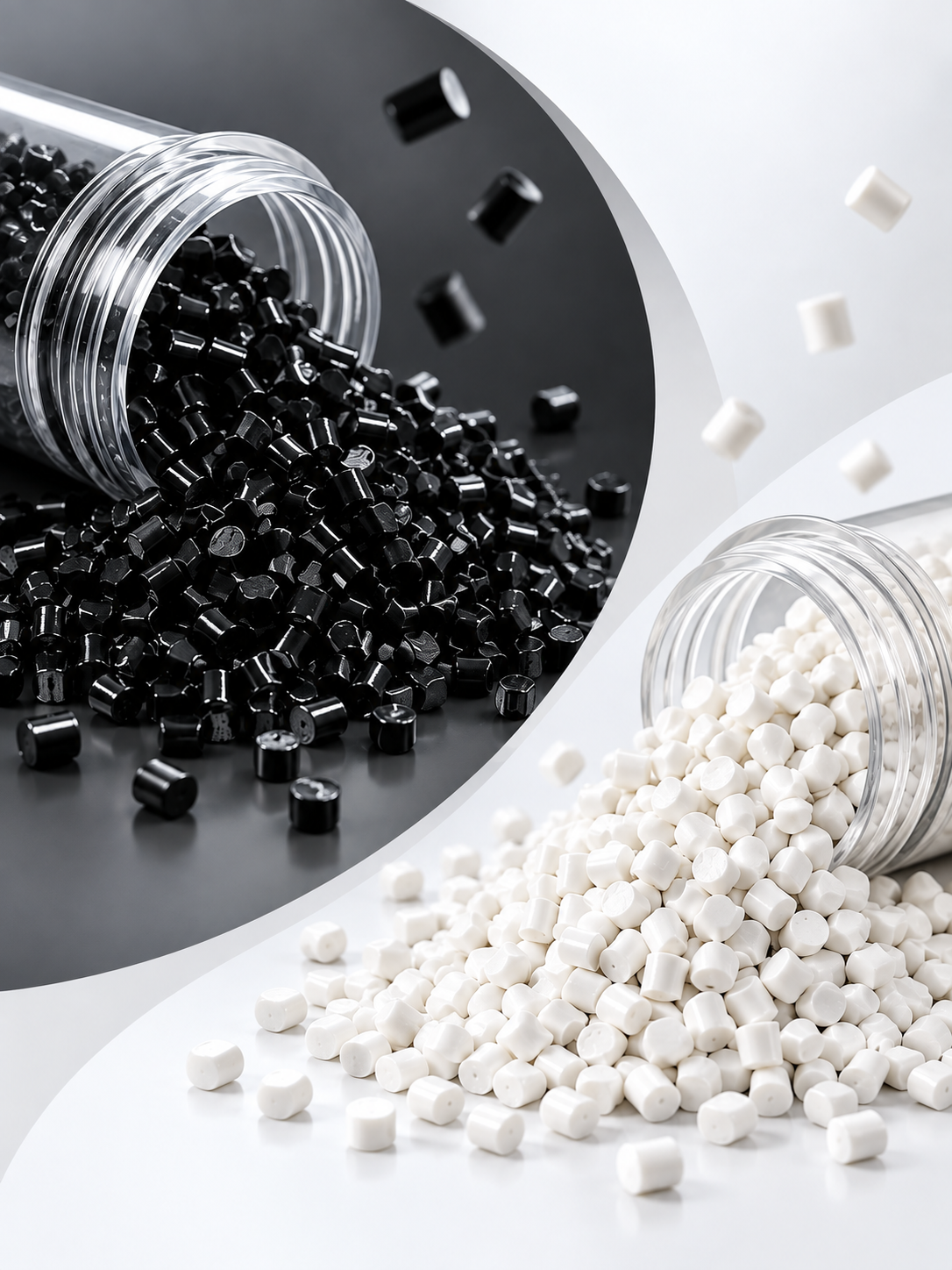
GPPS Granules
GPPS Granules Supplier in India Quality GPPS Plastic Granules
General Purpose Polystyrene (GPPS) Granules are a versatile thermoplastic material widely used where manufacturers require a combination of rigidity, dimensional stability, easy processing, surface appearance and cost-effective performance.
At Neelgiri Polyplast, we provide GPPS Plastic Granules and Polystyrene Raw Material for manufacturers, processors, OEMs, compounders, distributors and industrial buyers across diverse applications. GPPS grades can be selected according to specific requirements such as melt flow, transparency, rigidity, surface finish, colour and processing method.
Whether you require GPPS for injection moulding, packaging, consumer products, electrical components, household products, stationery or industrial applications, selecting the appropriate grade is essential for achieving consistent production and finished-product quality.
What Are (GPPS) Granules?
General Purpose Polystyrene (GPPS) is a thermoplastic polymer supplied in granule or pellet form and known for its rigidity, dimensional stability, ease of processing and good surface appearance.
GPPS is generally available in transparent, translucent and coloured forms depending on the grade and application.
Different GPPS formulations and grades can provide properties such as:
- High rigidity
- Good dimensional stability
- Good transparency in suitable grades
- Good surface appearance
- Easy processing
- Good mould-filling characteristics
- Good colourability
- Low moisture absorption
- Good electrical insulation properties
- Cost-effective performance
GPPS is particularly suitable for applications where manufacturers require a rigid, easily processable thermoplastic material.
Applications of GPPS Granules
Packaging
______________
GPPS can be used for selected rigid packaging applications where clarity, rigidity and processability are important.
Applications include:
- Containers
- Packaging components
- Disposable products
- Display packaging
- Product trays
- Packaging inserts
Consumer Products
______________
GPPS is widely used in consumer products requiring rigidity, easy processing and good surface appearance.
Applications include:
- Household products
- Storage products
- Consumer goods
- Toys
- Stationery
- General moulded products
Electrical & Electronics
______________
GPPS can be used in selected electrical and electronic components where its rigidity, electrical insulation and processing characteristics are suitable.
Applications include:
- Housings
- Covers
- Components
- Electrical accessories
- Consumer electronic components
Household Products
______________
GPPS is used for selected household and domestic products.
Applications include:
- Kitchen accessories
- Storage products
- Household containers
- Utility products
- General moulded components
Stationery
______________
GPPS can be used for various rigid stationery products.
Applications include:
- Pen components
- Rulers
- Boxes
- Organizers
- Stationery accessories
- Display products
Display & Retail Products
______________
Transparent and high-gloss GPPS grades can be used for products where visual appearance is important.
Applications include:
- Display stands
- Product holders
- Retail components
- Transparent covers
- Promotional products
GENERAL PURPOSE POLYSTYRENE (GPPS)
Types of GPPS
GPPS can be classified according to melt flow, transparency, processing requirements and end-use application.

General-Purpose GPPS
General-purpose GPPS provides a balanced combination of rigidity, processability, surface appearance and dimensional stability.

High-Flow GPPS
High-flow GPPS grades are designed to provide improved melt flow during processing and can be useful for complex or thin-wall moulded products.

High-Gloss GPPS
High-gloss GPPS grades are selected where an attractive and smooth surface appearance is important.

Transparent GPPS
Transparent GPPS grades are selected where clarity and visual appearance are important.

High-Heat GPPS
Specialized GPPS grades may be selected for applications requiring improved resistance to elevated temperatures compared with standard grades.

Injection-Moulding GPPS
Injection-moulding grades are designed for efficient processing through injection moulding equipment.

Extrusion GPPS
Extrusion-oriented polystyrene grades are selected for applications requiring continuous processing.

Specialty Grade
High-clarity, rigid polymer engineered for superior transparency, stiffness, and dimensional stability.
Check the Grade. Control the Quality. Protect the Finish.
GPPS Raw Material What Should Manufacturers Check?
Melt Flow Rate (MFR/MFI)
Indicates the flow behaviour of the polymer under specified test conditions and helps determine processing suitability.
Impact Strength
Important when the finished product is exposed to mechanical shock. GPPS is generally more rigid and less impact-resistant than high-impact polystyrene (HIPS).
Tensile Strength
Indicates the material’s resistance to tensile forces
Flexural Modulus
Helps determine the stiffness and rigidity of the finished component.
FAQ's
GPPS Granules are thermoplastic polymer pellets made from General Purpose Polystyrene. They are widely used for applications requiring rigidity, dimensional stability, processability and good surface appearance
GPPS stands for General Purpose Polystyrene.
GPPS is used in consumer products, household products, packaging components, stationery, electrical components, displays, toys and various injection-moulded products.
Yes. GPPS is widely used for injection moulding because of its good flow, easy processing, rigidity and surface finish.
Suitable GPPS grades can provide good transparency and clarity, making them useful for selected packaging, display and consumer-product applications.
GPPS is primarily known for rigidity and processability rather than high impact resistance. Where higher impact performance is required, HIPS or another suitable engineering/commodity polymer may be considered.
Yes. GPPS is generally known for its good flow and ease of processing, particularly in injection moulding applications.
GPPS can be mechanically recycled and reprocessed under suitable conditions. Recycled material properties can vary depending on source material, processing history and contamination.