
High-density polyethylene (HDPE)
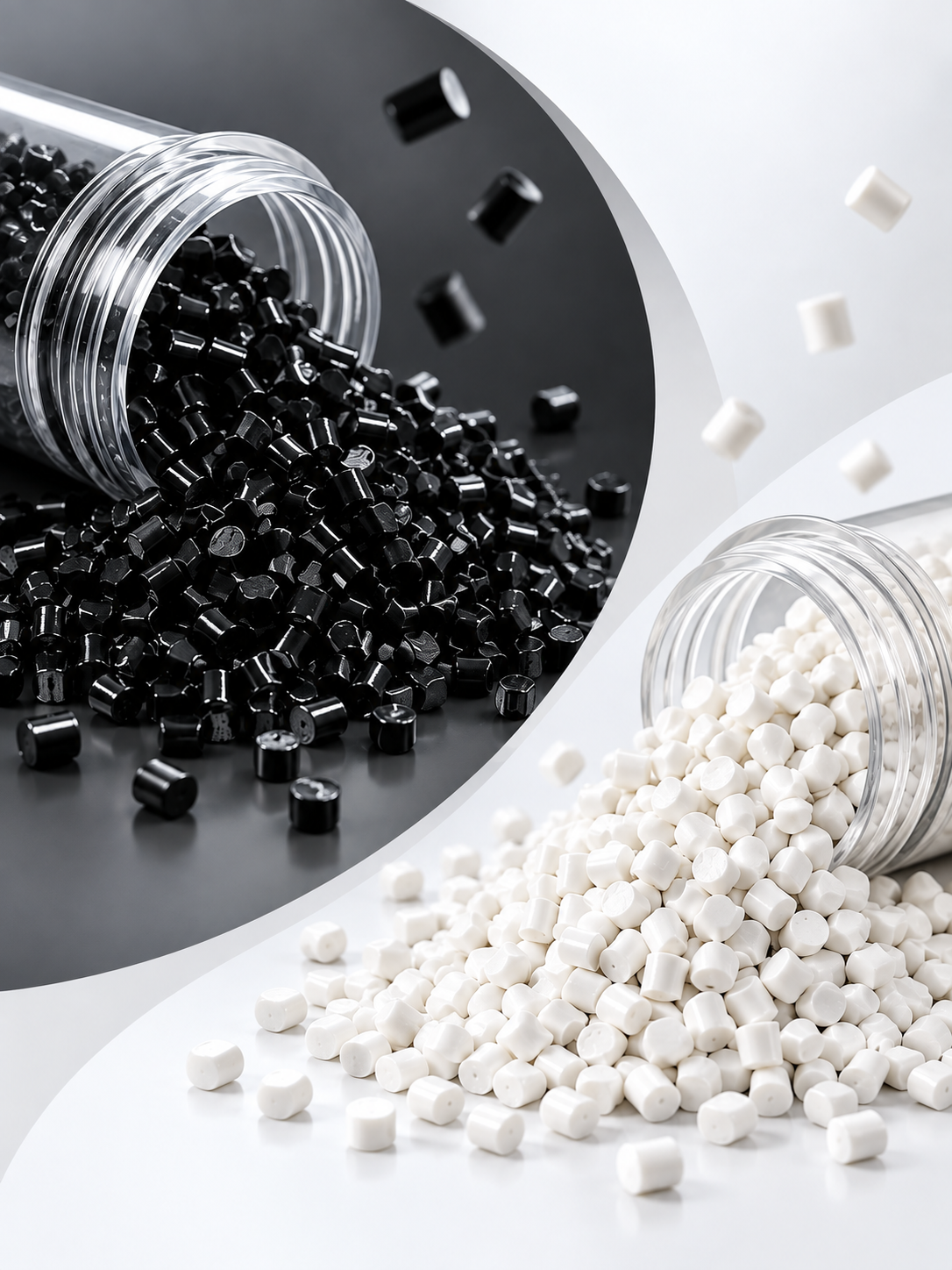
HDPE Granules
HDPE Granules Supplier in India Quality HDPE Plastic Granules
High-Density Polyethylene (HDPE) Granules for Strength, Durability & Consistent Processing
HDPE Granules, also known as High-Density Polyethylene Granules, are widely used thermoplastic raw materials valued for their excellent strength-to-density ratio, chemical resistance, moisture resistance and versatile processing characteristics. HDPE Plastic Granules are suitable for manufacturing a wide range of products through blow moulding, injection moulding, pipe extrusion and other polymer processing methods.
At Neelgiri Polyplast, we support industrial manufacturers, polymer processors, OEMs, distributors and bulk buyers seeking HDPE Granules and HDPE Raw Material for diverse manufacturing applications. Material selection can be tailored to application requirements, processing methods, mechanical performance and commercial considerations, subject to grade availability.
Whether you require HDPE for plastic bottles, chemical containers, water pipes, industrial drums, crates, pallets, household products or industrial components, selecting the right HDPE Grade is essential for achieving consistent product quality and reliable manufacturing performance.
What Are HDPE Granules?
HDPE Granules are thermoplastic polymer pellets made from High-Density Polyethylene, a polyethylene resin characterized by a relatively high degree of crystallinity and density compared with low-density polyethylene (LDPE).
HDPE is produced through the polymerization of ethylene using suitable catalyst and process technologies. Its molecular structure contributes to its stiffness, strength, chemical resistance and moisture resistance.
HDPE Plastic Granules are processed into finished products using different manufacturing techniques, depending on the grade and application.
Key characteristics of HDPE include:
- High strength-to-density ratio
- Good impact resistance in suitable grades
- Excellent resistance to moisture
- Good chemical resistance to many substances
- Low water absorption
- Good processability across multiple applications
- Good electrical insulation properties
- Suitable for rigid and semi-rigid plastic products
- Recyclability, depending on material quality and application
The performance of HDPE varies according to molecular weight, molecular weight distribution, density, melt flow rate, additives and grade formulation.
Applications of HDPE Granules
Packaging
______________
HDPE is widely used for packaging applications that require chemical resistance, moisture resistance and durable container walls.
Applications include:
- Detergent bottles
- Shampoo bottles
- Household chemical containers
- Lubricant packaging
- Industrial drums
Pipes and Infrastructure
______________
Appropriate HDPE pipe grades are used in water management, utility distribution and industrial piping systems.
Applications include:
- Water supply pipes
- Agricultural irrigation systems
- Drainage networks
- Industrial fluid transfer
- Selected utility pipelines
Agriculture Industry
______________
HDPE is used in various agricultural products because of its moisture resistance and suitability for durable plastic components.
Applications include:
- Irrigation pipes
- Agricultural water distribution
- Chemical and fertilizer containers, subject to compatibility
- Storage bins
- Utility components
Household Products
______________
HDPE Plastic Granules are suitable for manufacturing a variety of everyday products
Applications include:
- Buckets and tubs
- Storage containers
- Household utility products
- Waste bins
- Water containers
Industrial Packaging
______________
Selected HDPE grades are used for robust industrial packaging and material-handling products.
Applications include:
- Industrial drums
- Heavy-duty containers
- Storage bins
- Chemical containers
- Material-handling products
Automotive Industry
______________
HDPE can be used in selected automotive applications requiring lightweight construction, chemical resistance and suitable mechanical performance.
Applications include:
- Selected fluid reservoirs
- Ducting and protective components
- Storage and utility components
- Selected automotive containers
- Non-structural moulded parts
High-density polyethylene (HDPE)
Types of HDPE
HDPE Granules are available in different grade categories depending on the processing method, melt flow characteristics, mechanical requirements and intended application.

HDPE Blow Moulding Grade
HDPE Blow Moulding Grade is designed for manufacturing hollow plastic products. Many blow moulding grades provide suitable melt strength and processability

HDPE Injection Moulding Grade
HDPE Injection Moulding Granules are formulated for producing solid or hollow moulded components through injection moulding.

HDPE Pipe Grade
HDPE Pipe Grade is designed for extrusion into pipes and pressure or non-pressure piping systems, depending on the resin's classification and certified performance.

HDPE Extrusion Grade
HDPE Extrusion Grade is used in manufacturing continuous plastic products through extrusion equipment.

HDPE Film Grade
Specialized HDPE Film Grade is used for producing thin plastic films and related products.

High Molecular Weight HDPE
High Molecular Weight HDPE grades are designed for applications where enhanced toughness, abrasion resistance or demanding mechanical performance may be required.

Virgin HDPE Granules
Virgin HDPE Granules are manufactured from newly produced polymer resin rather than recovered and reprocessed plastic.

Recycled HDPE Granules
Recycled HDPE Granules are produced by processing recovered HDPE materials.
Check the Grade. Control the Quality. Protect the Finish.
HDPE Raw Material What Should Manufacturers Check?
Melt Flow Rate (MFR/MFI)
Melt Flow Rate indicates how much polymer flows under specified test conditions
Density
Density influences stiffness, crystallinity and several mechanical characteristics. The appropriate density depends on the intended product and performance requirements.
Tensile Strength
Tensile properties indicate how the material responds to pulling forces. These properties are important for products exposed to mechanical loads.
Impact Strength
Impact performance is relevant for crates, containers, drums and other products exposed to drops, shocks or handling stresses.
FAQ's
HDPE Granules are thermoplastic polymer pellets made from High-Density Polyethylene. They are used to manufacture containers, pipes, crates, household products, industrial components and other plastic products.
HDPE Plastic is used in packaging, pipe systems, agriculture, material handling, household products, chemical containers and selected automotive and industrial applications.
Common categories include blow moulding grade, injection moulding grade, pipe grade, extrusion grade, film grade, virgin HDPE and recycled HDPE.
HDPE generally provides greater stiffness and density, whereas LDPE is usually more flexible. Both materials have different grades designed for specific processing and end-use requirements.
Yes. Specific HDPE grades are designed for injection moulding applications such as crates, caps, closures, bins and utility products. Grade selection depends on flow characteristics, mould design and finished-product requirements.
Yes. Blow moulding grades of HDPE are used for manufacturing bottles, jerry cans, drums and other hollow containers. The correct grade depends on container design, melt strength and required performance.
HDPE resists many chemicals, including various acids and alkalis. However, chemical compatibility depends on the substance, concentration, temperature, exposure duration and applied stress.
The appropriate pipe grade depends on the required pressure rating, fluid or gas application, operating conditions, applicable standards and long-term performance requirements. Certified pipe-grade resin should be used where the application requires it.