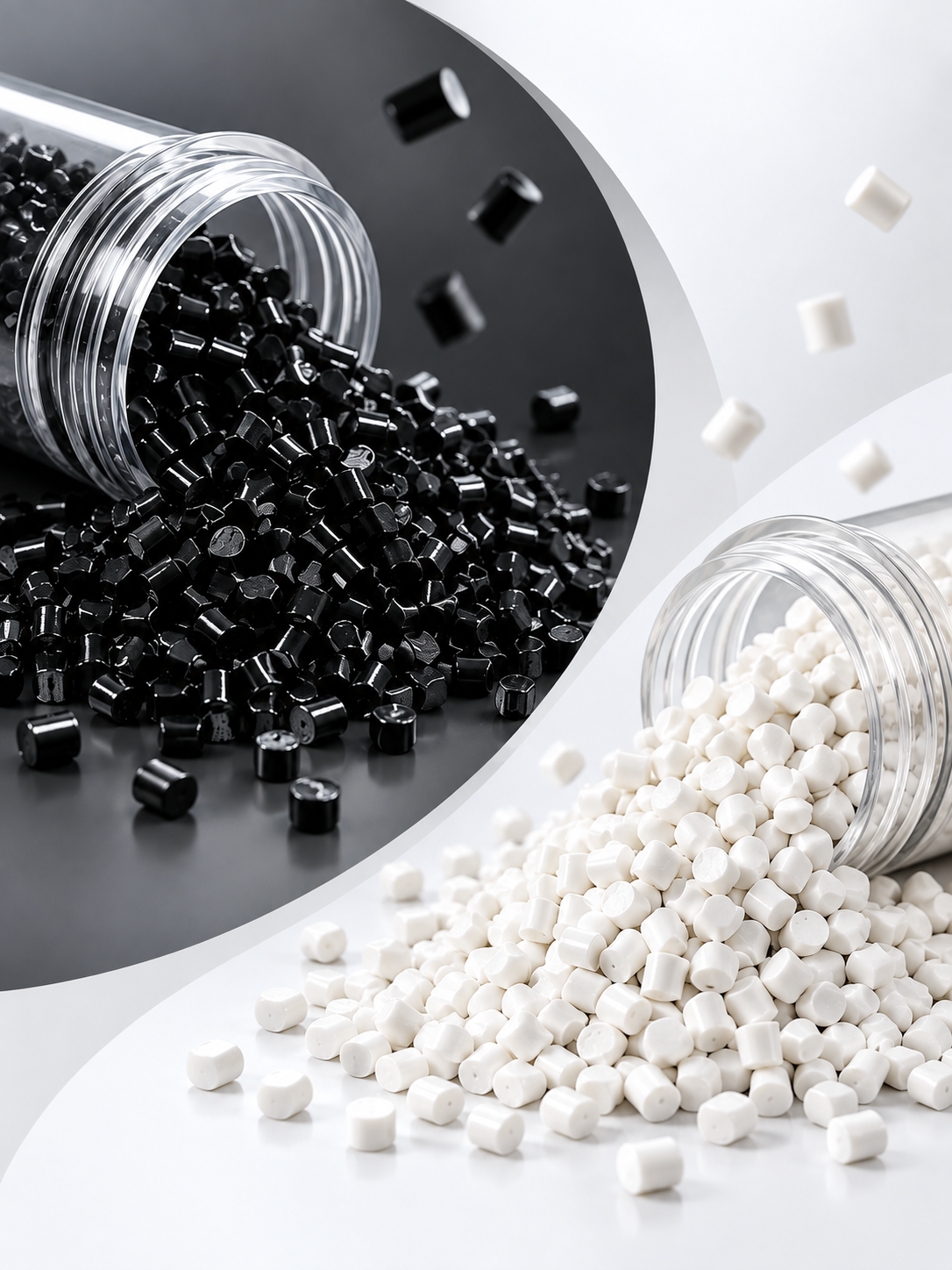
Expanded Polystyrene (EPS) is a lightweight cellular material widely used where manufacturers require a combination of low density, thermal insulation, cushioning, moisture resistance and cost-effective processing.
At Neelgiri Polyplast, we provide EPS Raw Material, EPS Beads and Expanded Polystyrene solutions for manufacturers, processors, packaging companies, insulation manufacturers, construction companies and industrial buyers.
EPS is commonly selected for applications such as protective packaging, building insulation, cold-chain packaging, construction products, moulded packaging and lightweight components. Selecting the appropriate EPS grade and expansion characteristics is important for achieving consistent density, strength and insulation performance.
Expanded Polystyrene (EPS) is a lightweight cellular material produced by expanding polystyrene beads containing a blowing agent.
During processing, EPS beads are expanded using heat and then moulded into the required shape.
EPS consists of numerous small closed-cell structures that provide its characteristic:
EPS is available in different bead sizes, densities and formulations depending on the required application.
ABS can be classified into different grades according to processing method, mechanical performance, surface requirements and end-use application.

Packaging-grade EPS is designed for applications requiring lightweight cushioning and impact protection.

Construction-grade EPS is commonly used where thermal insulation and lightweight construction are required.

Construction-grade EPS is commonly used where thermal insulation and lightweight construction are required.

Low-density EPS is selected where weight reduction and cushioning are primary requirements.

Flame-retardant EPS grades are formulated for applications where specific fire-performance requirements need to be addressed.

Moulded EPS is produced by expanding and moulding EPS beads into predetermined shapes.

Insulation-grade EPS is selected primarily for its thermal insulation characteristics.

Geofoam EPS is a lightweight expanded polystyrene material designed for ground stabilization, void filling, and lightweight construction.
Density is one of the most important parameters. It directly influences weight, strength, and insulation performance.
Determines how much the EPS beads expand during processing and affects the final density and structure.
Particle or bead size can influence expansion behaviour, mould filling and finished-product characteristics.
Important for packaging and construction applications where the material must withstand mechanical loading.
ABS Granules are thermoplastic polymer pellets made from Acrylonitrile, Butadiene and Styrene. They are widely used to manufacture moulded components requiring a balance of toughness, rigidity, processability and surface finish.
ABS Plastic is used in automotive components, electrical and electronic housings, appliances, consumer products, toys, industrial components, office equipment and various moulded products.
Common categories include general-purpose ABS, high-impact ABS, high-flow ABS, high-heat ABS, flame-retardant ABS, UV-stabilized ABS, electroplating ABS and extrusion grades.
ABS has useful heat resistance, but the exact performance varies considerably by grade. High-heat ABS grades are available for applications requiring greater temperature resistance.
Nobis atque id hic neque possimus voluptatum voluptatibus tenetur, perspiciatis consequuntur. Lorem ipsum dolor sit amet, consectetur adipisicing elit. Minima incidunt voluptates nemo, dolor optio quia architecto quis delectus perspiciatis.
Yes. ABS is widely used for injection moulding because it offers good processability, dimensional stability and surface finish. The exact processing parameters depend on the selected grade.
Standard ABS has limited long-term UV resistance. For outdoor applications, UV-stabilized grades or suitable protective formulations should be considered.
ABS generally provides greater rigidity and a different surface/appearance profile, while PP offers low density, good chemical resistance and excellent fatigue resistance. The selection depends on the application.
ABS generally offers a broader balance of toughness, rigidity and surface appearance, while HIPS is often selected for cost-sensitive applications requiring good impact performance and easy processing.